Smartphones change the way we learn because they bring curiosity, repetition, and guidance into our daily lives. Learning no longer depends on long sessions or structured environments. With a phone in hand, people can explore new skills during short gaps in their day, watch examples instantly, and repeat techniques as often as needed. The device becomes a companion that supports practice, reflection, and confidence-building. It also encourages learners to experiment more freely, since information and feedback are always available. These small interactions accumulate, making skill development feel natural and continuous rather than difficult or distant. A smartphone does not replace personal effort, but it shapes how motivation grows and how learning becomes part of everyday life.

How Smartphones Shape the Learning Experience
Offering Instant Access That Sparks Curiosity
When people become curious about a new skill—whether it is cooking, drawing, fitness, or a simple craft—they often reach for their phone immediately. Smartphones satisfy this curiosity in seconds, showing explanations, examples, and step-by-step demonstrations. This instant access keeps the learning momentum alive. Instead of waiting for a class or gathering materials, the user gets a starting point right away. This speed matters because curiosity fades if it is not acted upon quickly. A phone allows the user to turn that spark into action while the interest is still strong. Over time, this habit strengthens the desire to explore new skills more often. The ability to look up information anytime removes hesitation and encourages people to experiment with ideas they might have ignored before. When learning becomes fast to start, it becomes easier to maintain.
Supporting Practice Through Repetition and Visual Guidance
Repetition is essential in skill development. Smartphones support this process by offering visual cues, motion examples, and replayable demonstrations. A user can repeat a movement while watching it side-by-side, compare progress with earlier attempts, or slow down a demonstration to focus on details. This visual reinforcement helps the brain understand technique more clearly and improves muscle memory. It also creates a learning loop where the user experiments, watches again, adjusts, and tries once more. This loop becomes especially powerful during short practice sessions. People can learn in flexible blocks without waiting for long study periods. The device adjusts to the pace of the learner, making repetition feel manageable rather than overwhelming. Over time, this steady practice builds confidence and precision in the new skill.
Bringing Feedback and Motivation Into Daily Moments
Feedback helps learners understand what works and what needs improvement. Smartphones offer different ways to gather this feedback quickly and naturally. People can record small clips, take photos of progress, track timing, or review their results after each attempt. Seeing improvement—even in small steps—motivates them to continue. When learners watch their earlier attempts, they often notice positive changes they did not realize at the moment. These small recognitions strengthen persistence. Smartphones also help learners organize their practice, set reminders, or create simple routines that reinforce consistency. These routines keep the learner engaged even during busy weeks. When feedback and motivation appear within everyday actions, the learning journey feels more encouraging and supportive.
Why Smartphones Make Skill Building More Personal
Allowing Learners to Shape Their Own Rhythm
People learn best when they choose a rhythm that fits their lifestyle. Smartphones allow users to explore new skills in short bursts—five minutes during lunch, a few moments before bed, or a quick check while waiting. These flexible sessions add up quickly. They reduce the pressure of long, structured practice and make learning feel lighter. A user can advance at a pace that matches their energy and schedule, rather than following a fixed timetable. This autonomy strengthens confidence because the learner controls how and when progress happens. The process feels natural and sustainable. When learning blends with daily life, the skill develops more smoothly.
Helping Users Build a Learning Environment That Suits Them
A smartphone creates a portable learning environment that adapts to where the user is. Some people prefer soft background sound while practicing. Others want silence or steady rhythm cues. Some need space for visual focus, while others learn through sound. A phone supports each of these preferences through simple adjustments. Learners can also create a calming setup for practice, using quiet modes or focused sessions to reduce distractions. This ability to customize the environment encourages deeper concentration. A supportive environment makes difficult tasks feel less intimidating and helps the learner stay present during each step. Over time, the user discovers what conditions make them feel confident, patient, and ready to learn.
Encouraging Continuous Exploration and Personal Discovery
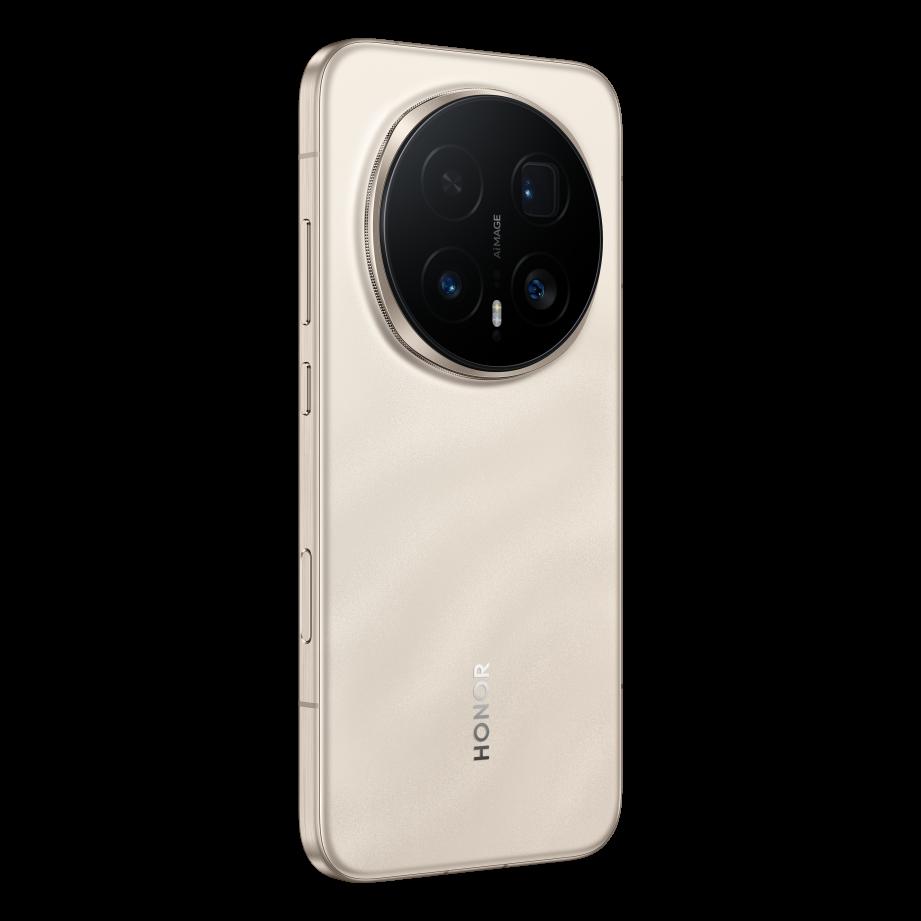
Skill-building becomes exciting when learners approach it with curiosity and a sense of discovery. Smartphones nurture this mindset by making exploration effortless. A user can compare techniques, watch diverse styles, or try new variations with no extra cost or pressure. This freedom helps them develop personal preferences and discover approaches that fit their strengths. The device also encourages experimentation because every attempt feels low-risk. If something does not work, the learner can quickly try another method. This flexible mindset builds resilience and creativity. It turns learning into a journey where each step brings new insights. Many users appreciate how the HONOR Magic8 Pro phone in uae supports this flow by keeping the experience smooth and responsive, especially during long sessions of exploration or guided practice.
Conclusion
Smartphones influence how we learn new skills because they connect curiosity, practice, and personal motivation into daily life. They offer instant access that turns interest into action, visual tools that strengthen repetition, and simple ways to track progress. They also support flexible routines, personalized environments, and a mindset of exploration that keeps learners engaged. By blending these elements into everyday moments, smartphones make learning feel natural and achievable. They help people build confidence step by step while discovering their own pace and style. When skill development becomes woven into daily habits, progress feels steady, meaningful, and deeply rewarding.